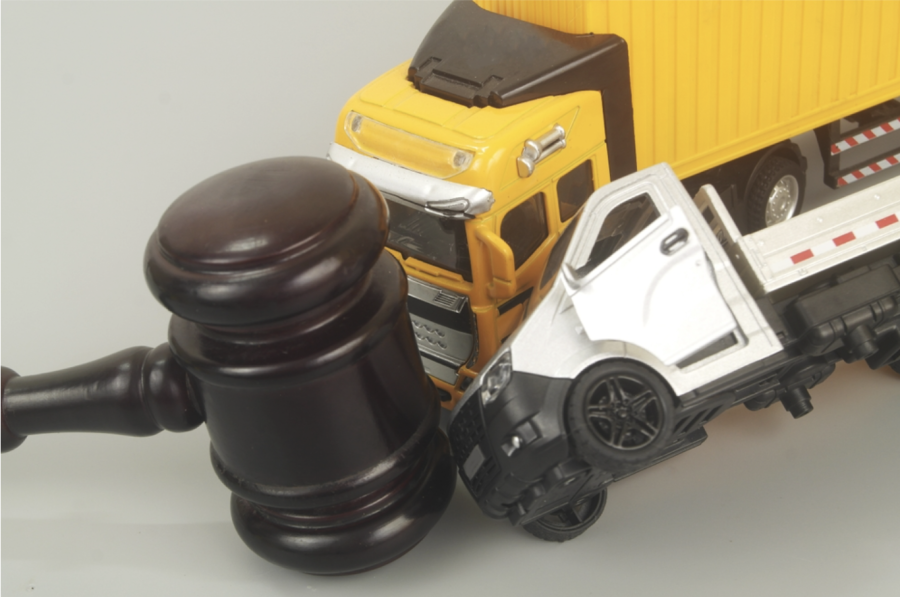

Not every rear end collision carries the same financial impact. One person may face a short period of treatment, while another may deal with ongoing care and time away from work. Vehicle damage can also range from a simple repair to a much larger expense.
These differences can affect the amount of compensation for a rear-end collision. Medical costs, lost income, injuries, property damage, insurance coverage, and the facts surrounding the accident may all be considered. The details matter because the financial picture is rarely as simple as the damage seen at the crash scene.
Severity of the Injuries
The seriousness of an injury can have a major effect on a claim. A minor injury that heals quickly may involve less medical care than an injury that requires months of treatment. Some people may need hospital care, physical therapy, follow-up visits, or other treatment after a crash.
The effect on normal life may also matter. An injury that limits movement, sleep, work, or daily activities can create losses beyond the first medical bill. Each situation is different, so the nature and lasting effects of the injury are important parts of the overall picture.
Medical Expenses and Treatment
Medical care can create many costs after a rear-end crash. These expenses may include emergency treatment, doctor visits, testing, medication, therapy, and follow-up care. The total cost can grow as treatment continues.
Keeping medical bills and treatment records together can make it easier to track these expenses. Records can also show the care received after the collision and help connect those costs with the reported injuries.
Lost Income and Work Impact
An injury can affect more than health. It may also make it difficult to work or perform normal job duties. Time away from work can lead to lost wages, while a longer recovery may affect regular income.
Employment records, pay information, and records of missed work can help show the financial effect of an injury. The type of work a person does may also be relevant because some injuries can make certain duties harder to perform.
Property Damage
A vehicle can suffer damage even in a crash that does not cause serious visible injuries. Repair costs may include parts, labor, towing, and other related expenses. If a vehicle cannot be repaired, replacement costs may also become part of the financial picture.
Photos, repair estimates, invoices, and other records can help document the condition of the vehicle and the costs linked to the collision.
Pain and Emotional Distress
Money losses are only one part of what may follow an accident. Physical pain and emotional distress can also affect a person's daily life. Trouble sleeping, discomfort, reduced activities, or stress after a collision may be considered along with financial losses.
These effects can be difficult to measure because they do not come with a simple price tag. Medical records and other information may help describe how an injury has affected normal activities and overall well being.
Fault and the Circumstances of the Collision
The facts surrounding a rear end collision can also affect a claim. Questions about how the crash happened, what each driver did, and the conditions around the collision may matter during a review.
Police reports, photographs, witness information, traffic conditions, and other records can help establish the circumstances. A claim is not based only on the fact that one vehicle struck another from behind. The complete set of facts may need to be considered.
Insurance Coverage
Available insurance coverage can affect what may be recovered after a collision. The at-fault driver's policy may provide coverage, while the injured person's own policy may also contain coverage that could be relevant.
Policy limits and the types of coverage available can make a difference. Insurance rules can also vary based on the circumstances and location of the accident, so the available coverage should be reviewed based on the specific situation.
Evidence and Documentation
Evidence can make the financial side of a claim easier to understand. Important documents may include:
Medical bills and treatment records
Pay stubs and employment records
Vehicle repair estimates and invoices
Accident reports and photographs
Insurance letters and communications
Receipts for accident-related expenses
Keeping these records organized can help show what happened, what treatment followed, and what expenses resulted from the collision.
More Than the Damage to the Car
There is rarely one single factor that decides the value of a claim. Injury severity, medical costs, lost income, vehicle damage, pain, fault, insurance coverage, and supporting records can all be part of the review. That is why compensation for a rear-end collision should be considered in light of the complete circumstances rather than one number or one type of loss.
Keeping records and understanding the factors involved can make the situation easier to discuss. For anyone unsure about how these factors apply to a particular accident, getting advice from a qualified legal professional can be a useful next step.