You face a constant demand for new images and videos to keep your audience engaged. Every social media platform requires a different format and a unique visual style to stand out. Keeping up with this pace often leads to burnout if you rely on manual editing methods alone. Most creators spend more time fixing mistakes in their files than actually coming up with new ideas.
You can solve this problem by using an AI Image Editor to handle the repetitive parts of your design work. These tools allow you to change backgrounds, adjust lighting, or remove unwanted objects with a single click. Instead of spending hours learning complex software, you can produce professional results in minutes. This shift allows you to focus on the message you want to share rather than the technical hurdles of the software.
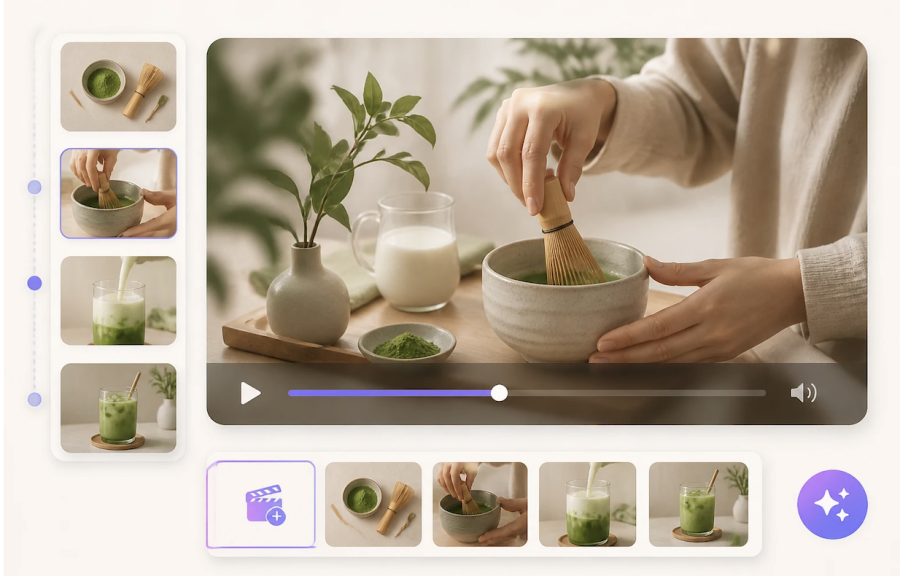
If you want to expand into motion content, an AI Video Generator can turn your written scripts into high-quality clips. You do not need a massive production budget or a team of editors to create videos that look great. These systems use smart algorithms to match your text with relevant visuals and smooth transitions. It makes the process of moving from a static post to a dynamic video much easier for everyone involved.
Digital content is no longer just about having a good camera or a fast computer. It is about how quickly you can turn a concept into a finished product that people want to watch. Automation helps you maintain a consistent posting schedule without sacrificing the quality of your work. You can experiment with different styles and formats without the fear of wasting days on a project that might not work.
Real World Scenarios for AI Content Tools
The first scenario involves a small e-commerce business owner who needs to list fifty new products by the end of the week. Traditionally, this would require a professional photographer, a studio rental, and days of post-processing to make the images look uniform. With modern tools, the owner can take a simple photo on a phone and use automation to create a clean, branded look for every item. They can swap a messy warehouse background for a minimalist living room setting in seconds. This saves thousands of dollars in production costs and gets the products in front of customers much faster.
The second scenario focuses on a social media manager handling multiple brand accounts. Each brand has a different voice and visual identity that must stay consistent across Instagram, TikTok, and LinkedIn. The manager uses automated tools to resize images for different platforms and generate short video teasers from blog posts. By automating the resizing and basic editing tasks, the manager can spend more time engaging with the community and analyzing performance data. It turns a stressful job into a manageable workflow where creativity takes center stage.
The third scenario looks at an online educator building a new course. They have a lot of valuable information to share but lack the equipment to film high-quality lectures every day. By using text-to-video technology, they can create animated explainers and talking head videos that keep students interested. They can update their course material easily by changing the script rather than reshooting an entire video. This flexibility ensures that the educational content stays current and professional without requiring a film crew.
Benefits of AI in Content Creation
Efficiency is the most obvious benefit when you integrate these tools into your daily routine. You can produce a volume of content that was previously impossible for a single person or a small team. Tasks that used to take a full afternoon now take a few minutes of processing time. This speed allows you to respond to trends as they happen rather than missing the window of opportunity.
Quality consistency is another major advantage for brands of all sizes. When you use automated templates and filters, your visual style remains the same across every piece of content. You do not have to worry about one photo looking different from the next because of varying light conditions. The software balances colors and tones to ensure your feed looks cohesive and professional.
Cost reduction helps smaller creators compete with large corporations that have huge marketing budgets. You no longer need to hire expensive freelancers for basic editing or motion graphics work. The software provides a high level of polish that used to be hidden behind a paywall of specialized skills. This levels the playing field and allows the best ideas to win regardless of the creator's bank account.
Practical Workflow for Modern Creators
Your workflow should start with a clear goal for what you want to achieve with your content. Once you have a concept, you can use automated tools to generate the base assets you need. Start by refining your images to ensure they meet the brand standards you have set. This might involve cleaning up the edges of a subject or enhancing the colors to make them pop on a mobile screen.
After your images are ready, you can move them into a video production phase if needed. You can layer text, music, and voiceovers to create a story that resonates with your viewers. The software helps you time the transitions perfectly so the video feels natural and engaging. You can then export the final file in multiple formats to fit the specific requirements of each social media site.
The final step is to review the analytics and see what your audience liked the most. You can use this data to inform your next round of content creation. If a certain style of video performs well, you can replicate that style quickly using your saved templates. This loop of creating, analyzing, and refining is the key to long term success in the digital space.
Overcoming Creative Blocks
One of the hardest parts of being a creator is staring at a blank screen. AI tools act as a brainstorming partner that can give you a starting point when you are stuck. You can generate a few variations of an image or a video clip to see which direction feels right. This takes the pressure off you to be perfect from the very first second of the project.
You can also use these tools to explore styles that you might not have the technical skill to draw or film yourself. If you want to try a 3D animation style or a vintage film look, you can apply those effects instantly. This experimentation leads to unique content that sets you apart from others in your niche. It encourages a culture of play and discovery rather than just following a strict set of rules.
Conclusion
The landscape of digital content is changing fast, and those who adapt will find the most success. Using automated tools for image and video work is not about replacing human creativity. It is about removing the boring tasks that get in the way of your best ideas. You can now tell stories that were too expensive or too difficult to produce just a few years ago.
By embracing these technologies, you give yourself the gift of time. You can use that time to connect with your audience, learn new things, or simply rest. The future of content creation is faster, more accessible, and more diverse than ever before. Start integrating these tools into your process today and see how much further your creativity can go.