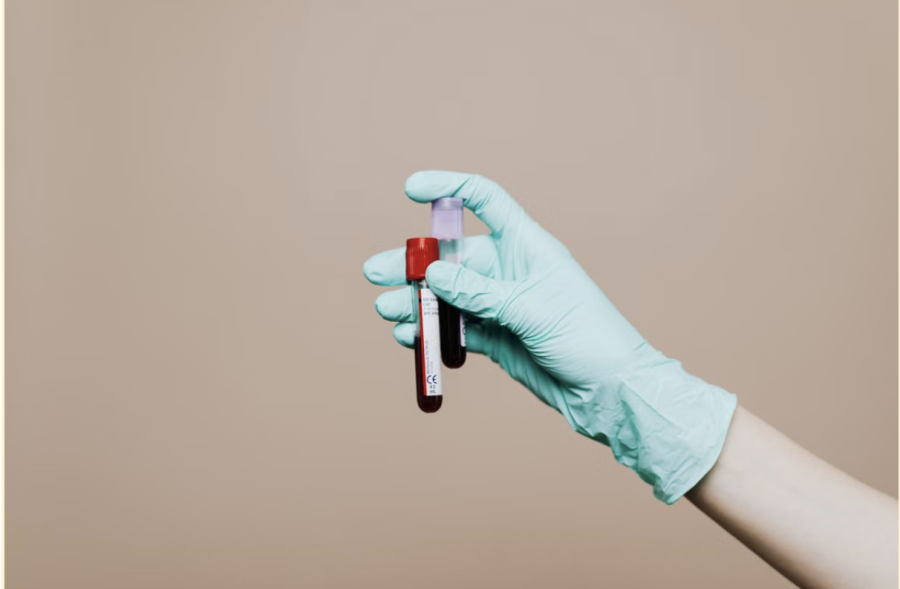
A new biomarker rarely emerges by chance. This usually results from hundreds of comparisons. Scientists compare samples from healthy people and patients with diagnoses. That is why high-quality plasma samples for research are the starting point of almost any project to search for biomarkers.
Preci, a supplier of validated human biospecimens for preclinical research, collects and prepares them. The more thoroughly researchers characterize a donor, the higher the chance of identifying a true biomarker rather than random noise.
Why Plasma is a Convenient Model for Searching for Biomarkers
Plasma reflects the state of the body at a particular moment. It contains proteins, metabolites, and signaling molecules from different tissues. This is convenient: instead of an organ biopsy, the researcher takes one blood sample. Through it, they gain access to the body's systemic response.
Plasma can be collected again. This allows you to track the indicator's dynamics across different stages of the disease. For many chronic conditions, dynamics are more important than a single measurement. It shows the direction of change, not just the current level.
At the same time, blood sampling itself remains a simple and relatively inexpensive procedure. This makes plasma convenient for both repeated and large-scale studies.
What Stages Does a Biomarker Go Through from Idea to Confirmation
The search for a biomarker is rarely limited to one experiment. This is usually a long process. The list of candidates is gradually narrowed.
Experience from plasma panel laboratories shows a typical path. It consists of several steps. Each step cuts off some of the false candidates:
Screening samples for candidate molecules.
Comparison of healthy and sick donors.
Checking reproducibility on a new sample.
Disease specificity assessment.
Correlation with clinical indicators.
Validation by an independent analytical method.
Each step reduces the risk of error. An incidental finding should not be passed off as a stable biomarker. Therefore, the quality of samples is important at every step, not just at the beginning.
A batch with poorly documented donor history can compromise data interpretation and validation. Sometimes it is at the last step that problems emerge that were not noticeable before. Therefore, it is worth checking samples throughout the study, and not just once.
The Role of Sample Quality in Result Reliability
The results of biomarker searches depend on the quality of the source plasma. Samples must be homogeneous and well-characterized. Preci provides plasma from consented and screened donors.
Each sample has demographic and clinical metadata. It is also possible to match plasma to a specific disease, from oncology to metabolic diseases. This level of detail helps immediately distinguish between disease effects and donor characteristics. This is especially important in the early stages of the search.
A false positive at this stage is costly in terms of both time and resources. Furthermore, detailed data simplifies comparisons of results between different cohorts. The researcher knows in advance how donors in each group differ. This saves time on additional testing and reduces the number of repeat experiments.
The quality of plasma samples determines the reliability of results as much as the analysis method itself. Plasma provides convenient access to systemic changes in the body. It allows researchers to monitor them at different stages of the disease.
The more carefully a laboratory selects and characterizes samples at the outset, the less risk there is of wasting resources. It is this preparatory work that separates a chance correlation from a clinically applicable finding. Ultimately, a good biomarker begins not in the device, but at the sample selection stage