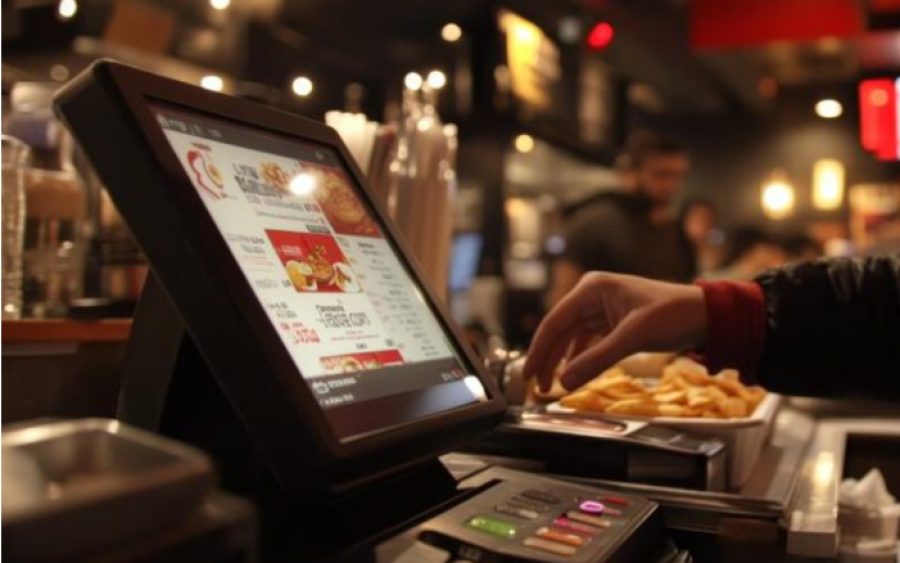
Have you noticed how restaurants today manage orders quickly, serve customers smoothly, and keep everything organized even during busy hours?
Many restaurants are using modern tools to support daily work. These tools help staff take orders, communicate with the kitchen, manage payments, and understand customer preferences.
Restaurants today handle dine-in customers, online orders, takeaway requests, and sometimes drive-thru service at the same time. To manage all these tasks properly, restaurants often use digital systems that keep work structured and clear.
One example is a restaurant pos system that helps staff manage orders and payments in one place. Technology like this supports restaurant teams so they can focus on serving food and taking care of customers.
Below are twelve technologies many restaurants are exploring today to support their daily operations.
1. Restaurant POS Systems
Many restaurants start their digital setup with a POS system. It works like the central control point for restaurant operations.
How POS Systems Support Daily Work
When staff enter an order into the POS system, the information gets recorded instantly. The system calculates the bill, tracks the order, and stores the information for future reports.
2. Kitchen Display Systems
Communication between the dining area and the kitchen plays an important role in restaurant service.
Digital Order Screens In Kitchens
Many restaurants now use a kds system hardware setup that shows incoming orders on a screen inside the kitchen. This screen displays the items, quantities, and any notes added by the server.
The kitchen team can check the order list and prepare dishes in sequence. Once the dish is ready, the order can be marked complete on the screen. This organized process helps the kitchen team stay focused on food preparation.
3. Online Ordering Platforms
Many customers enjoy placing food orders through websites or mobile apps.
Supporting Digital Food Orders
Online ordering systems allow restaurants to accept orders from customers before they arrive. These systems connect with restaurant operations so orders appear directly in the restaurant system.
Customers can browse the menu, select items, and place orders from their phones. This adds convenience for both restaurants and customers.
4. Digital Payment Systems
Restaurants today accept different types of payment methods.
Multiple Payment Options
Digital payment tools allow customers to pay through cards, mobile wallets, or contactless payment methods. The POS system records each payment and keeps the billing process clear.
Customers appreciate a quick checkout experience, and digital payment systems help restaurants maintain an organized billing process.
5. Drive-Thru Communication Systems
Quick-service restaurants often serve customers who order food from their cars.
Clear Communication With Headset Technology
Restaurants with drive-thru service sometimes use a drive thru headset system to communicate between staff members.
The staff member taking the order can talk directly with the kitchen team through the headset. This keeps communication clear and allows orders to move quickly from the order station to the preparation area.
Drive-thru systems support faster service while maintaining clear communication.
6. Digital Menu Boards
Many restaurants use screens instead of printed menu boards.
Updating Menu Items On Screens
Digital menu boards allow restaurant managers to update menu items easily. When prices change or new dishes are added, the information can be updated through the system.
Customers can read the menu clearly on bright screens, which helps them choose items quickly.
7. Inventory Management Software
Restaurants use many ingredients each day. Keeping track of ingredients helps kitchens stay prepared.
Tracking Ingredients Digitally
Inventory systems allow restaurants to monitor ingredient levels. When certain ingredients run low, staff can reorder them in time.
This helps restaurants maintain a steady supply of ingredients needed for daily cooking.
8. Table Management Systems
Restaurants with dine-in service often manage many tables at once.
Organizing Seating Arrangements
Table management systems help staff track which tables are available, occupied, or ready for new guests.
The host or front staff can view the table layout on a screen and guide customers to available seating. This keeps the dining area organized and helps staff manage busy hours smoothly.
9. Staff Scheduling Tools
Restaurant teams often work in shifts. Scheduling tools help managers plan staff schedules clearly.
Managing Work Shifts
Digital scheduling tools allow managers to assign shifts, track working hours, and share schedules with staff members.
Employees can check their shift timings easily, which helps maintain smooth coordination within the team.
10. Customer Feedback Systems
Restaurants value customer feedback because it helps them understand the dining experience from the customer's point of view.
Collecting Feedback Digitally
Many restaurants provide digital feedback forms through tablets or online links. Customers can share their experience after finishing their meal.
Restaurant managers can review feedback and understand what customers enjoy about the restaurant.
11. Reservation Management Tools
Restaurants that receive many guests often use reservation systems to organize bookings.
Managing Table Reservations
Reservation tools allow customers to book tables in advance through a website or app. The system records the reservation time, number of guests, and table preferences.
This helps restaurant staff prepare for upcoming reservations and welcome guests smoothly when they arrive.
12. Sales Reporting Tools
Restaurant managers often review sales data to understand daily performance.
Understanding Business Activity
Sales reporting tools organize information about orders, revenue, and customer activity. Managers can review reports that show busy hours, popular menu items, and daily sales totals.
This information helps restaurants stay organized and plan their operations with confidence.
Final Thoughts
Restaurants today manage many activities throughout the day, including order taking, food preparation, payment processing, and customer service. Modern technology helps restaurant teams handle these tasks in a structured and organized way.