The universe is built on mathematical patterns, so in that way online casinos are no different from the Pyramids of Giza or a Rubik's Cube. In essence, gambling is based on well-oiled scientific models that guarantee smooth operation and use complex techniques to create the distinguished slot games we spend our workday thinking about. Below we will discuss the scientific models that are used in modern-day casinos, such as RNG's, AI, and machine learning analysis.
RNG
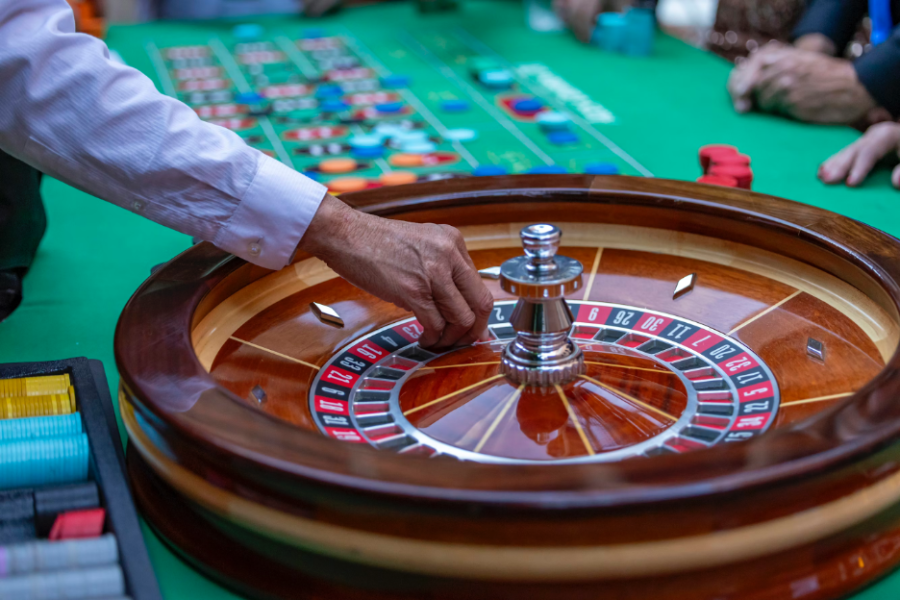
Unequivocally, the most important scientific model that is utilised in modern casinos is the Random Number Generators. In slots, everything boils down to randomness, which is done with no method or order. To simulate a spin, you get new symbols that are picked at random by a RNG. To simulate dealing a new deck, you are given cards which are picked at random by a RNG. The whole purpose is to create fairness, because the technology is unpredictable and avoids bias. The casino game has no memory of prior spins and upcoming spins are also independent.
Without it, the games could be manipulated because smart players would identify a pattern and use it to win jackpots. The predictable sequences would promise users a certain win, and the casino would ultimately fail. Not to mention, the whole point of entertainment and playing based on "luck" would be obsolete.
It's vital to note that just because something is random, it doesn't mean that every outcome has the same likelihood. You could get four winning lines in a row, or none at all. A way to compare slots is by looking at the Return to Player, called the RTP. This percentage represents the money you will get back over time. If a game has a high RTP (over 97%), statistically it will pay out more. Sites like Irish casino site Betfree list the various casino games based on RTP.
Machine Learning
Machine learning technology is a strategy that online casinos use to modify game parameters, identify erratic players, and tailor bonuses. Just like the name suggests, the casino will "learn" or analyse the activity of a player. This could be anything like the total minutes you spent playing, the slots you choose, the amount you bet, the frequency of your activity, and any changes to these patterns. The casino will log your preference for rewards, whether it is free spins, cash, or points, based on your decisions in the past. Then, it will continue to push the same kind of bonus in the future to appeal more to your nature. By comparing the amount you usually spend in sessions, the casino will see when you are statistically ready to leave and offer you bonuses around this point.
Typically, machine learning is used to single out at-risk users by detecting strange patterns that deviate from the normal user. Once they are identified, the appropriate measures can be sought out, such as reaching out via email or temporarily banning the account. This strategy not only aids online casinos in maximising profit, but it also safeguards players from harm.
AI Use in User Experience and Game Balancing
Artificial intelligence is used to amplify the entertainment factor for users by tracking their activity and therefore recommending personalised offers. A great example of this is when online casinos have a For You tab, which pushes slots or table games that you would like based on the ones you have interacted with previously. Supposing a user consistently plays classic fruit slots, you will be recommended new fruit games. If you prefer ancient-themed slots, AI will propose games with pharaohs, mythology, and Vikings. Similarly, if you click a game and don't end up playing it, the casino reminds you of the game and may even offer bonuses to further encourage you.
Game balancing is a tool used to ensure that users play in a way that is sustainable and enjoyable. This could mean low volatility games for players who are struggling and would benefit from more frequent, smaller rewards, which makes the game more gratifying than widely spaced large wins. Although this won't change the odds, it makes gambling more fun through other adjustments. AI is used to test simulations, outcomes and responses.
Other Scientifically-Related Casino Features
Psychology and behaviour analysis play a huge role in modern casino strategy. Scientific models, particularly rooted in neuroscience, help to make casinos more addictive. Firstly, the near-miss bias is when your brain interprets reels that are almost winning to motivate you to play further. Technically, you didn't win and the casino doesn't pay out, but you get a sense of success nonetheless. This is why casinos make it obvious when you just miss out on a jackpot or payline. A similar model is when slot machines reward you with bonuses of varying sizes instead of the same value of free spins each time. Science has proven that dopamine release fades when we spot a pattern, so the occasional random bonuses are actually more satisfying due to the element of surprise.
Conclusion
The purpose of scientific models like random number generators, machine learning, artificial intelligence, and behaviour analysis is to make the gambling experience more fair, compelling, and safe for the user. The casino continues to profit too. Online casinos must offer slot machines and table games that are unpredictable, yet just accessible enough to avoid disengagement. The strategies used adapt the games depending on the user whilst keeping the odds the same.